Spiritual Narcissism: Unmask Your Tendencies & Hidden Ego
Spirituality is often a path toward humility, connection, and self-transcendence. But what happens when the ego hijacks the journey? In the pursuit of enlightenment, some individuals can fall into a subtle trap where spiritual practices become tools for self-aggrandizement rather than self-awareness. This phenomenon is known as spiritual narcissism.
Spiritual Ego Traps: Is Your Journey Feeding Narcissism? This question can be uncomfortable, but exploring it is vital for genuine growth. Let’s unpack how spiritual narcissism shows up - both in ourselves and spiritual leaders. You’ll walk away with practical ways to spot ego traps and nurture genuine growth. For those seeking deeper self-understanding, a free assessment can be a helpful starting point.
This article explores the complexities of the spiritual ego. We will look at its common behaviors and the impact it has on communities. Our goal is to provide clarity, not judgment, helping you navigate your path with greater wisdom and authenticity.
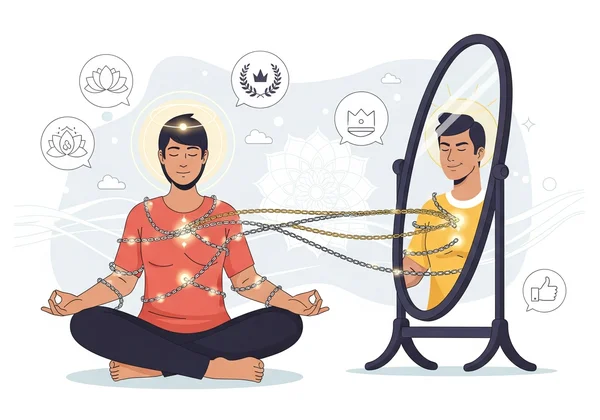
Understanding Spiritual Narcissism Signs
Spiritual narcissism is a pattern where an individual uses spiritual beliefs and practices to inflate their sense of self-importance. They may appear wise and enlightened on the surface, but underneath lies a fragile ego that craves validation, superiority, and control. It's a difficult trait to spot because it's often masked by the language of virtue and higher consciousness.
Unlike overt narcissism, which can be loud and boastful, spiritual narcissism is often more covert and subtle. It co-opts the language of peace and love to justify self-serving behaviors, making it confusing for both the individual and those around them. Recognizing the signs is the first step toward addressing this hidden ego.
What is Spiritual Bypassing and How Does It Relate?
A core component of spiritual narcissism is "spiritual bypassing." This is the act of using spiritual beliefs to avoid dealing with unresolved emotional issues, psychological wounds, and difficult feelings. Instead of working through pain or conflict, a person might dismiss it with platitudes like "Everything is an illusion" or "Just focus on positive vibes."
Spiritual bypassing relates directly to narcissism because it serves the ego's need to feel perfect and untouchable. It creates a false sense of being "above" messy human emotions. For someone with narcissistic tendencies, this is a powerful defense mechanism. It allows them to sidestep accountability and maintain an image of serene superiority, all while their underlying issues remain unaddressed.

The Paradox of Virtue: Subtle Indicators of a Self-Centered Ego
The most confusing aspect of spiritual narcissism is that it can look like genuine devotion. However, the motivation is different—it's about feeling special rather than fostering connection. Here are some subtle indicators of a self-centered ego hiding behind a mask of virtue:
- Public Displays of "Enlightenment": They frequently talk about their spiritual accomplishments, meditation hours, or profound insights, especially in public or on social media.
- A Sense of Spiritual Superiority: They subtly or overtly imply that their spiritual path, beliefs, or practices are superior to others'.
- Lack of Empathy for Others' Struggles: They may judge others for being "less evolved" and respond to emotional pain with detached spiritual advice instead of genuine compassion.
- Using Spiritual Jargon to Confuse or Control: They may use complex spiritual terms to dominate conversations, silence dissent, or make themselves appear wiser than they are.
- Inability to Handle Criticism: Any challenge to their views is perceived as a personal attack on their enlightened status, often met with defensiveness or condescension.
Spotting a Narcissist in the Spiritual Community
Spiritual communities should be places of safety, support, and growth. Unfortunately, they can also become breeding grounds for narcissistic behavior, especially when there is a clear power dynamic. For those who are part of a spiritual group, yoga studio, or meditation circle, it is crucial to recognize the warning signs.
This is especially important for the "Concerned Partner" or friend who feels something is off but can't quite name it. Understanding these patterns can validate your feelings and help you protect your emotional well-being. If you are questioning a relationship dynamic, tools to assess narcissistic patterns can offer valuable perspective.
When Spiritual Leaders Exhibit Narcissistic Traits
A spiritual leader with narcissistic tendencies can cause significant harm. They leverage their position of authority to feed their ego and control their followers. Watch for these red flags in a guru, teacher, or guide:
-
Demanding Unquestioning Loyalty: They discourage critical thinking and portray any questions or doubts as a sign of spiritual immaturity.
-
Claiming Exclusive Access to Truth: They position themselves as the sole channel for divine wisdom, making followers dependent on them.
-
Lack of Transparency or Accountability: They are not open about their finances, personal life, or decision-making processes and resist being held accountable.
-
Isolating Followers: They may encourage members to distance themselves from family and friends outside the group who are "negative influences."
-
Punishing Dissent: Those who leave the group or challenge the leader are often shamed, ostracized, or publicly discredited.

The Emotional Impact on Followers: Manipulation and Exploitation
The impact of a narcissistic spiritual leader on their followers can be devastating. Members may experience emotional manipulation, financial exploitation, and a profound loss of self. They use gaslighting to make followers question their reality. This erodes self-trust over time. Victims become dependent on the leader’s guidance to feel grounded.
Over time, individuals can lose their personal identity, becoming an echo of the leader's beliefs. Healing from this kind of experience requires rebuilding self-worth and learning to trust one's own inner voice again.
Covert Narcissism Signs in Spiritual Contexts
Covert narcissism in a spiritual setting can be especially hard to identify. These individuals often present as highly sensitive and misunderstood victims. Specific signs include playing the "spiritual martyr" by constantly talking about their sacrifices for their path, giving unsolicited advice disguised as divine wisdom, and using self-deprecating humor that subtly highlights their own spiritual superiority.
Your Covert Narcissism Test: Recognizing Hidden Tendencies
Spotting these traits in others matters, but deep spiritual growth starts with you. Begin by asking yourself honest, private questions. Covert narcissism, which often underlies spiritual narcissism, is quiet and inwardly focused. It is characterized by a deep-seated sense of entitlement and superiority that is hidden behind a facade of humility or victimhood.
The journey to true self-awareness requires honest introspection. Before taking a formal assessment, asking yourself some direct questions can be an enlightening exercise. It is a private, personal way to begin exploring these complex patterns.
Identifying Covert Narcissism: Self-Reflection Checklist
Take a quiet moment to consider these questions honestly. There is no right or wrong answer; the goal is simply to observe your own tendencies without judgment.
- Do I secretly believe my spiritual insights make me better or more advanced than others?
- When someone shares their pain, is my first impulse to offer a spiritual solution instead of just listening?
- Do I feel defensive or angry when someone questions my spiritual beliefs or practices?
- Do I find myself talking more about my spiritual journey than asking others about theirs?
- Have I ever used a spiritual concept to justify avoiding a difficult conversation or personal responsibility?
If these questions resonate, it doesn't mean you are a "bad" person. It simply highlights areas where the ego may be at play. Recognizing these patterns is a brave and necessary step toward genuine spiritual maturity. To further understand your patterns, a structured test can provide objective feedback.

Cultivating Authentic Spirituality and Setting Boundaries
Whether you recognize these tendencies in yourself or in others, the path forward involves cultivating authenticity and setting healthy boundaries.
For your own journey:
- Embrace Humility: Acknowledge that you are always a student. True wisdom lies in knowing how much you don't know.
- Integrate the "Shadow": Authentic spirituality involves accepting all parts of yourself—the good, the bad, and the messy—not just the "love and light."
- Seek Honest Feedback: Ask a trusted friend or therapist for their perspective on how you show up in the world. Be open to hearing it.
When dealing with others:
- Trust Your Intuition: If a teacher or community feels "off," it probably is. Don't let anyone convince you that your gut feeling is wrong.
- Set Firm Boundaries: It is okay to say "no." You do not have to participate in conversations or practices that feel manipulative or uncomfortable.
- Prioritize Your Well-Being: Your emotional and psychological safety is paramount. If a spiritual environment is causing you harm, it is okay to walk away.
Embracing Authentic Spirituality and True Self-Awareness
Spiritual narcissism is a deceptive trap that substitutes ego for soul. It promises enlightenment but delivers only isolation and a fragile sense of superiority. Real spiritual growth happens when we stop performing enlightenment and start embracing our messy humanity. It’s less about achieving perfection and more about showing up authentically - shadow and all. It requires us to face our shadows, not bypass them with pleasant-sounding ideals.
Recognizing these tendencies is not about assigning blame but about reclaiming authenticity. It's about ensuring our spiritual life genuinely connects us to ourselves, to others, and to something larger than our own ego. Self-awareness is the ultimate tool for this journey.
Are you ready to look deeper and distinguish between a healthy ego and narcissistic traits? Understanding your own patterns is the first step toward profound personal growth. Start your assessment today to gain valuable insights for your journey. Please remember, this tool is for educational and self-reflective purposes and is not a substitute for a professional clinical diagnosis.
Frequently Asked Questions About Spiritual Narcissism
How do I know if I'm a narcissist or just passionate about my beliefs?
Passion is inclusive and invites dialogue, while narcissism is exclusive and demands agreement. Someone who is passionate is excited to share their beliefs but respects that others have different paths. A spiritual narcissist, however, often feels their path is the only "correct" one and may become judgmental or dismissive of those who believe differently.
Can someone exhibiting spiritual narcissism truly change?
Change is possible, but it is extremely difficult. It requires the person to develop a profound level of self-awareness and a genuine desire to dismantle their egoic defenses. This process almost always requires professional help from a therapist experienced in personality disorders. The first step is acknowledging the problem, and a confidential narcissism assessment can be a private way to begin that process.
Is spiritual bypassing the same as spiritual narcissism, or are they different?
They are different but related. Spiritual bypassing is a behavior—the act of using spirituality to avoid emotional pain. Anyone can do it occasionally. Spiritual narcissism is a deeper personality pattern where the entire spiritual journey is co-opted by the ego's need for admiration and superiority. Spiritual bypassing is one of the primary tools used by a spiritual narcissist.